What Is a Pod Stick? Understanding Pod-Based Vaping Devices
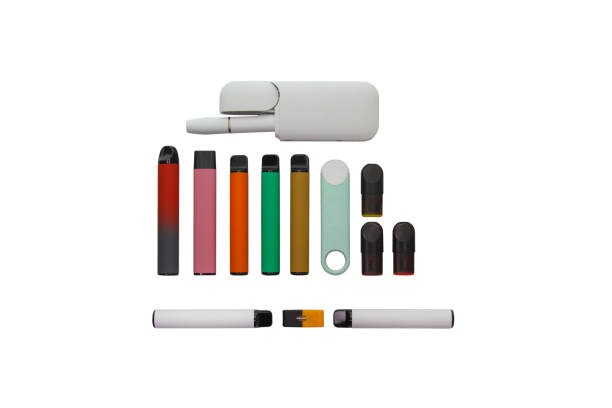
A pod stick is a slim, portable electronic vaping device that uses a pod to hold the liquid and produce an aerosol through a battery-powered heating element. Pod stick devices are commonly available as either closed pod systems, which use pre-filled pods, or open pod systems, which use refillable pods. Their compact design has made them one of the most widely recognised formats within the broader category of electronic vaping devices.
This article provides general educational information about pod stick devices and does not encourage or promote the use of vaping products.
Main Components of a Pod Stick
Although designs vary between manufacturers, most pod stick devices include the following components:
- A rechargeable or built-in battery
- A pod containing the liquid
- A heating element (coil)
- An airflow path
- Electronic circuitry that controls device operation
These components work together to heat the liquid inside the pod and produce an aerosol when the device is activated.
Types of Pod Stick Devices
Pod stick devices are generally classified into two categories:
- Closed pod systems, which use manufacturer-sealed, pre-filled pods that are replaced after use.
- Open pod systems, which allow compatible pods to be refilled according to the manufacturer’s instructions.
Each design has different maintenance requirements, compatibility considerations, and replacement procedures.
Device Care and Maintenance
Proper handling helps maintain the performance and lifespan of electronic devices. General recommendations include:
- Following the manufacturer’s charging instructions.
- Using only compatible accessories and replacement components.
- Keeping the device clean and dry.
- Storing it away from excessive heat, moisture, and direct sunlight.
- Discontinuing use if the device becomes damaged or malfunctions.
Specific maintenance procedures depend on the design of the individual device.
Environmental Considerations
Electronic vaping devices contain batteries and electronic components that should be disposed of responsibly. Rechargeable devices may reduce the number of discarded batteries compared with single-use products, but batteries and other electronic components should still be recycled or disposed of through appropriate waste management programmes where available.
Public Health Information
Many pod-based vaping products are designed for use with liquids that contain nicotine. Nicotine is an addictive substance, and health authorities advise that people who do not currently use tobacco or nicotine products should not begin using them.
Individuals seeking to stop using nicotine products are encouraged to consult healthcare professionals or evidence-based smoking cessation services for support.
Conclusion
A pod stick is a compact electronic vaping device that uses a pod system to generate an aerosol through battery-powered heating. Understanding its basic components, the differences between closed and open pod systems, and relevant health and environmental considerations provides a balanced educational overview of this category of electronic devices.